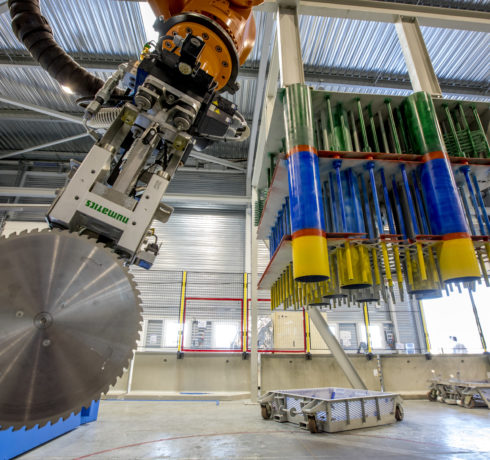
A global expertise
-
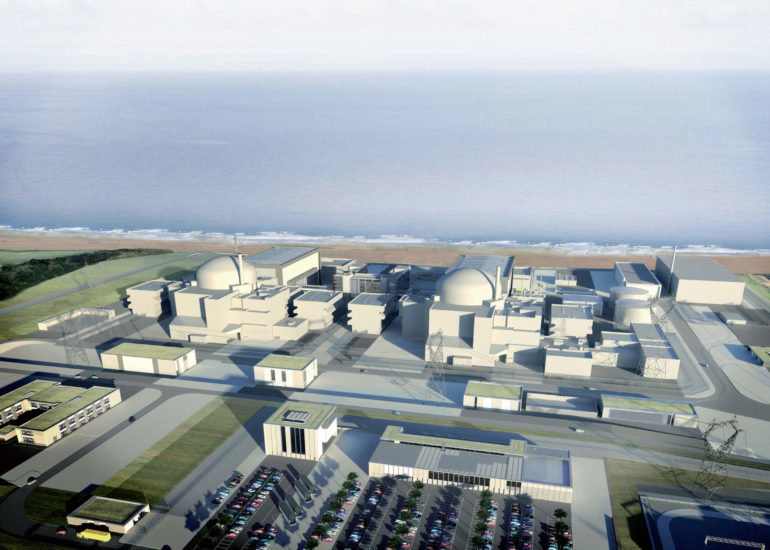
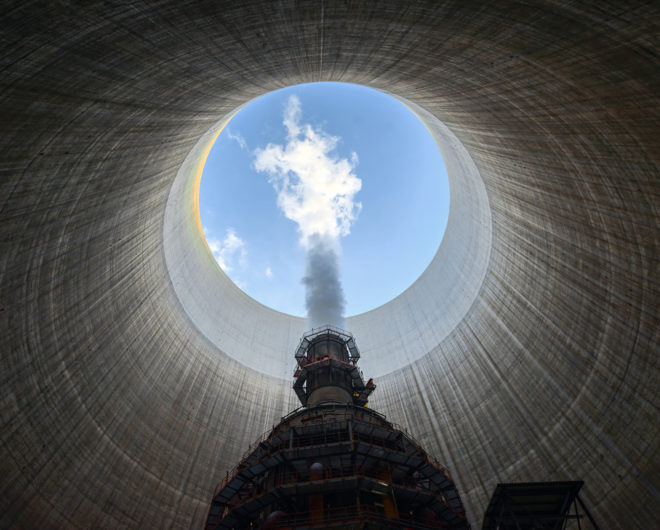
EPC
We support your projects from concept to implementation, as a global contractor.
-
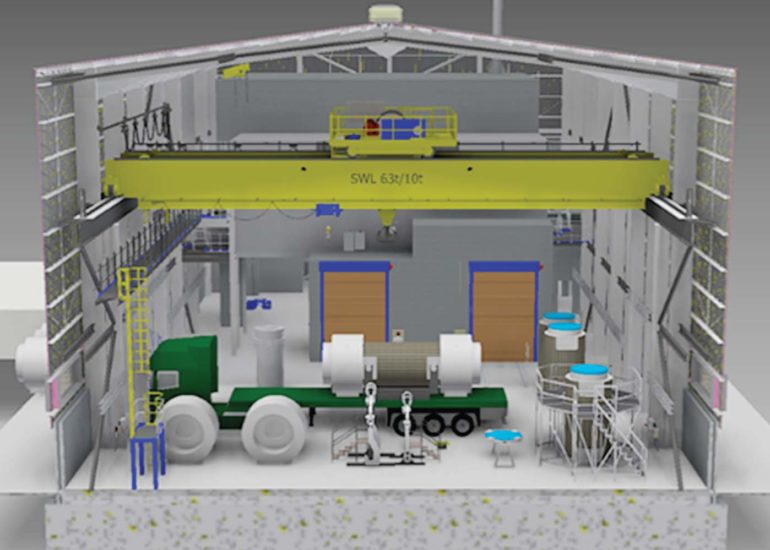
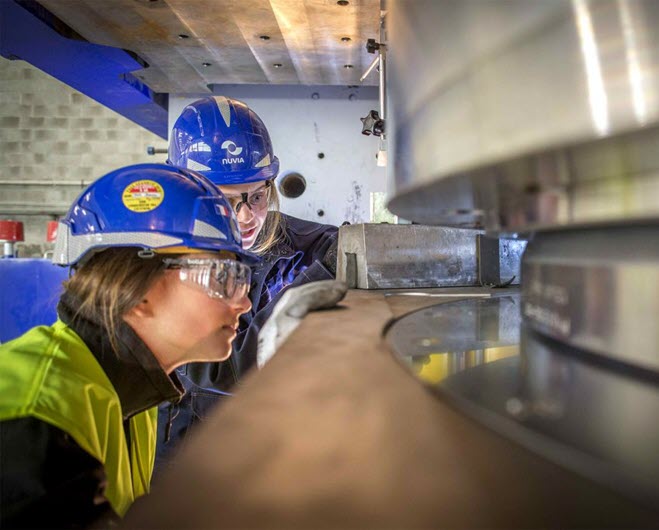
Engineering
We are known for our unparalleled expertise in the field of specialised engineering.
-
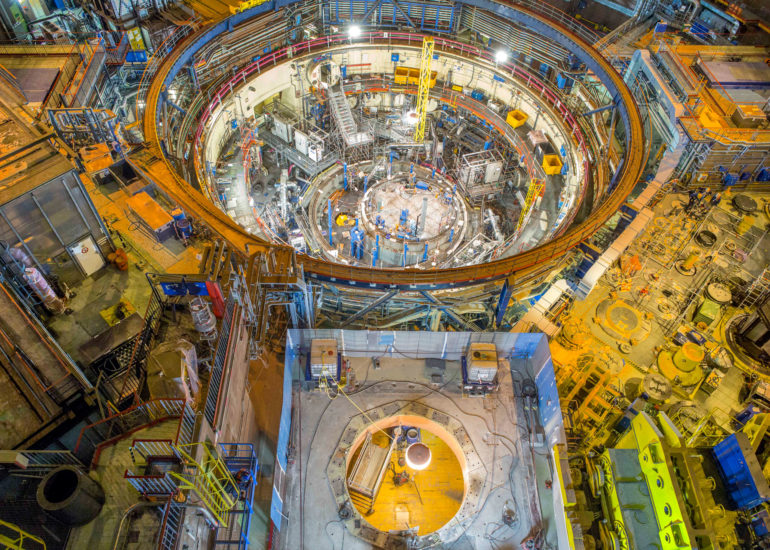
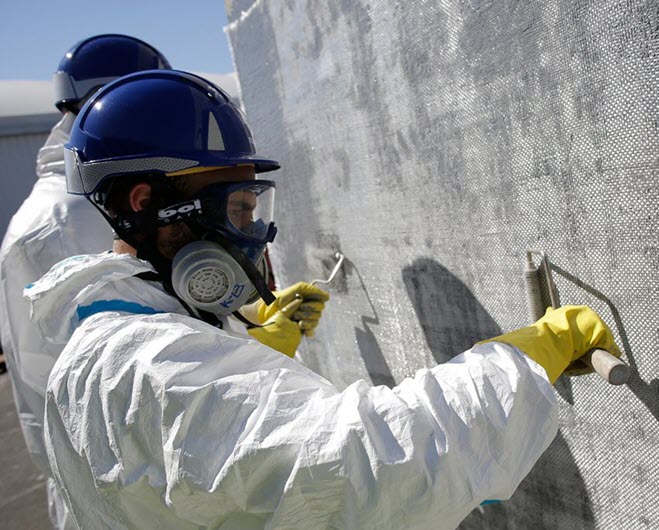
Services & Works
Skills and people dedicated to the success of your most complex projects.
-
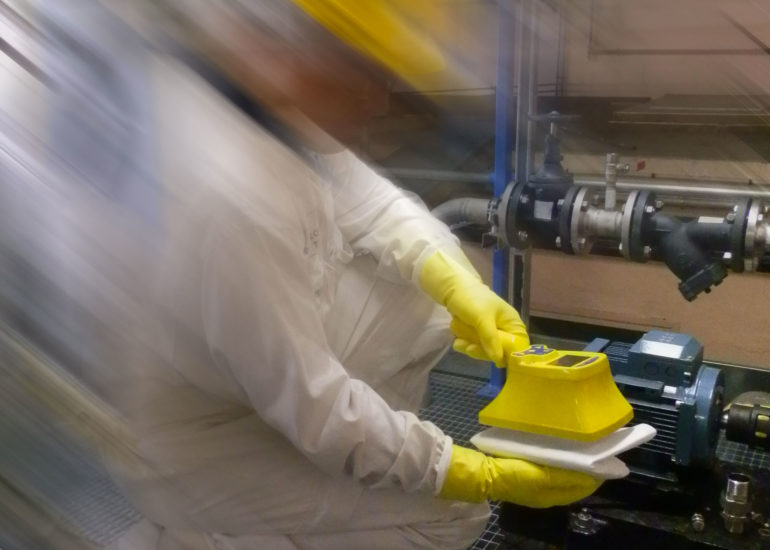
Products
Our global offer encompasses the expertise and solutions to meet your requirements.
Securing your performance
in heavily regulated environments
Latest News
We are equipping the PET/CT outpatient clinic at the Military University Hospital in Prague!
Read MoreEvents
-
ISNR
21-23 May 2024, Abu Dhabi
-
ISOE European Symposium
04-06 June 2024, Rotterdam, Netherlands
-
Nuclear Innovation Conference
05-06 June 2024, Amsterdam, Netherlands
About Nuvia
NUVIA is a subsidiary of Vinci Construction Group. Nuvia offers a unique array of expertise, services and technology for supporting safety performance in nuclear facilities.
Join Nuvia
Each year, an average of 250 women and men join NUVIA. Now more than ever, we are looking for new talent to support the growth of our group. What if you came over to NUVIA, with your talent, personality and ideas?